
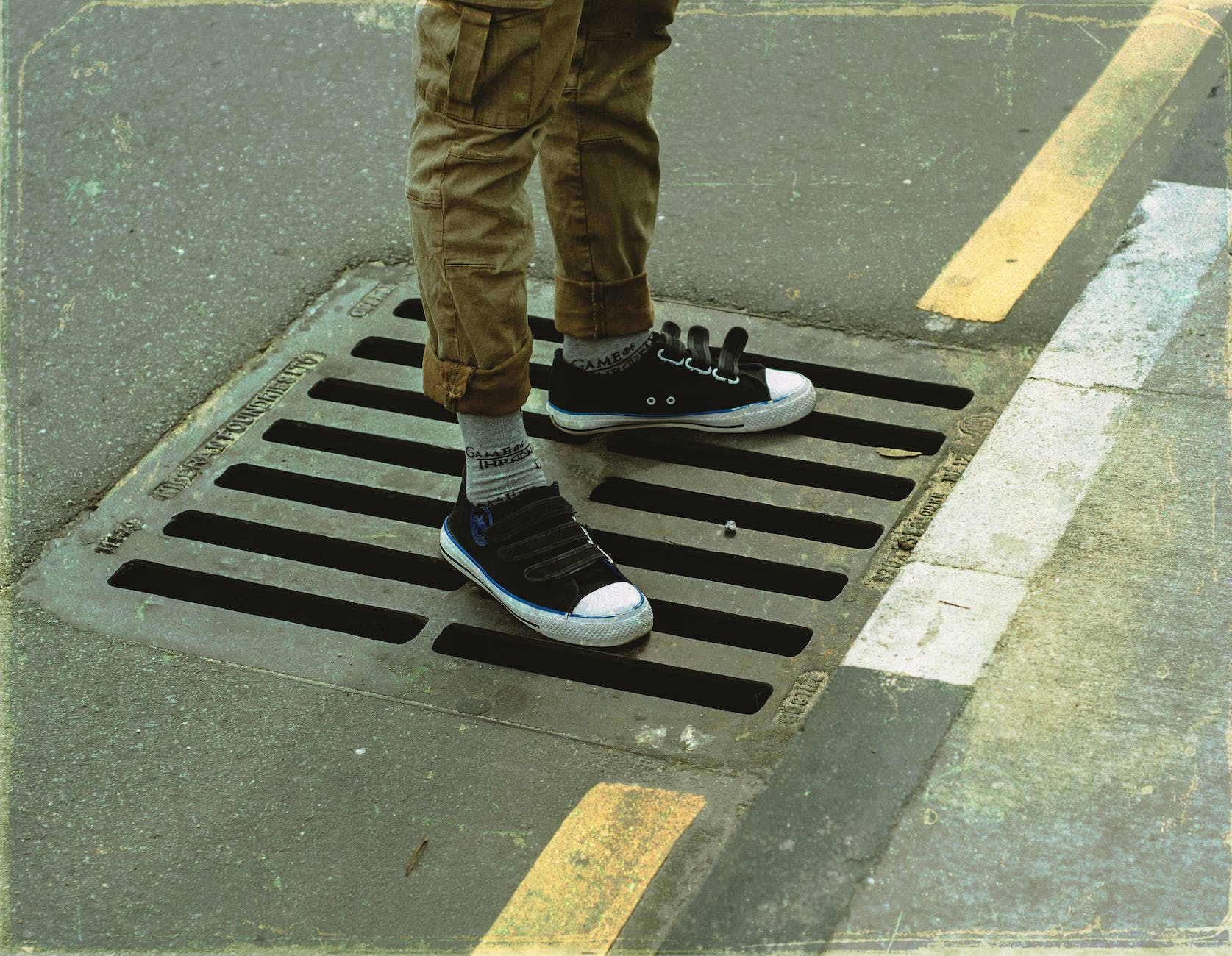
Editing… Some writers love to edit and others would rather be caught in a sewer. Guess which camp I’m in? And I’ve watched and read Stephen King’s “It”. Can’t say I can ever look at a drain the same way again.
When crafting stories the magic is in the editing. A terrible story can be reworked into something brilliant. A draft is like a blob of clay. Editing is the skilful shaping of a story with words. Some edits are fun, and others are dull. Either way, edits are essential.
Last week, I entered a short story competition. The first substantial competition I’ve ever entered. Obviously, I wanted to submit my best and best means you edit the crap out of the story.
Organised, I wrote the story, “Blood, Sand, and Sanity” months ago when the competition was first announced. Gold star for me. The story is an alternative history retelling of The Batavia (a spice trade shipwreck that occurred in Western Australian waters, in 1629). In a nutshell, the survivors of the shipwreck went all “Lord of the Flies” on a tiny island. “Blood, Sand, and Sanity” can be repurposed and offered as a promo piece for my “The ImmorTales” series later. Win-win for me.
The story sat unedited for as long as possible. A deliberate act of letting the tale go cold. This time I wasn’t lazy, I swear. Not working on the piece was intentional so I could complete a cold edit.
What is a Cold Edit?
Many years ago, I took writing courses designed by teacher and published author Holly Lisle. She advises after a first draft, writers should wait as long as possible before they begin to edit. The colder the story goes, the more fresh the edit is. Simple enough. I’m sure this type of edit goes by many names.
Have you picked up a long-forgotten manuscript or story and thought “Wow this isn’t bad” or “Holy shiz, Batman I wrote this?” The words are better than remembered. Or maybe you notice a whopping mother of plot holes. “How could I miss this?” you ask yourself as you slap your forehead?
Your reaction is because you’re reading with fresh eyes. Fresh eyes and a clear head make better edits. After completing a story, our brains are still thinking about the plot, the words, the characters, and the world. We know the story too well and our judgement is compromised. We need distance. Distance makes slaughtering easier. The typos and flaws stand out more.
Holly argues editing and creating use different sides of the brain. Switching the brain can be hard. The solution is to let the story go cold. To quote MC Hammer, you can’t touch this.
Anyway, I let my competition story go cold for a cold edit. It sat for a few months like a corpse on ice (no, not the drug).
The Cold Edit Experience
Reality struck. As I went through the motions of editing, I felt a detachment from the story. I just didn’t care anymore. There was no inspiration. I need some creative spark to improve and rework. Maybe it was my mood and the looming due date meant I couldn’t wait for a better time to edit. I don’t know. But the couch looked good.
I can see the logic behind a cold edit — to see what you couldn’t before. After a few months, I forced myself to look at “Blood, Sand, and Sanity”. The due date approached fast. And when I say forced, I mean like forcing a small child to behave in a grocery store. Fudge me!
I polished the turd story to the best of my ability and found myself a couple of readers. One major flaw — the story wasn’t easy to follow. Time jumps are a challenge to pull off. Unfortunately, I fart-arsed around so much and I didn’t have time for a full rewrite. So that was a big flop. A belly flop. Ouch.
This isn’t self-doubt talking. I write fiction weekly. Some stories a writer knows in their gut are good. Other stories it’s a “meh”. Some “meh” stories end up being a hit. Most are manure. “Blood, Sand, and Sanity” is a “meh” but I submitted it anyway. Admission was free.
Takeaway
Cold edits aren’t always the best. I suspect on some level, I felt done with the story and it’s time to move on. On the other hand, maybe my gut was telling me something when I couldn’t get into the story while editing? I am used to writing and editing side by side. Done. Post. Delete from the noggin.
I’ll need to experiment with cold editing again before I set my conclusion in stone. Although, letting a story go cold risks killing my motivation. One thing is for sure, I will not be leaving the cold edit until a day or two before the due date.
I recommend cold editing to every writer because what works for one writer may not work for another. Creating stories is about exploring and learning as an individual what tools work best for us.
Now, time to backspace “Blood, Sand, and Sanity” from my brain. Flush the turd. Next project, please…
Disclaimer: “Blood, Sand, and Sanity” is fine, just not stellar. It’s a competition story so I am 100% judgemental because, damn, the judges will be.
~*~


 THE WRITING ASYLUM
Leave a comment